Key takeaways · Race brief
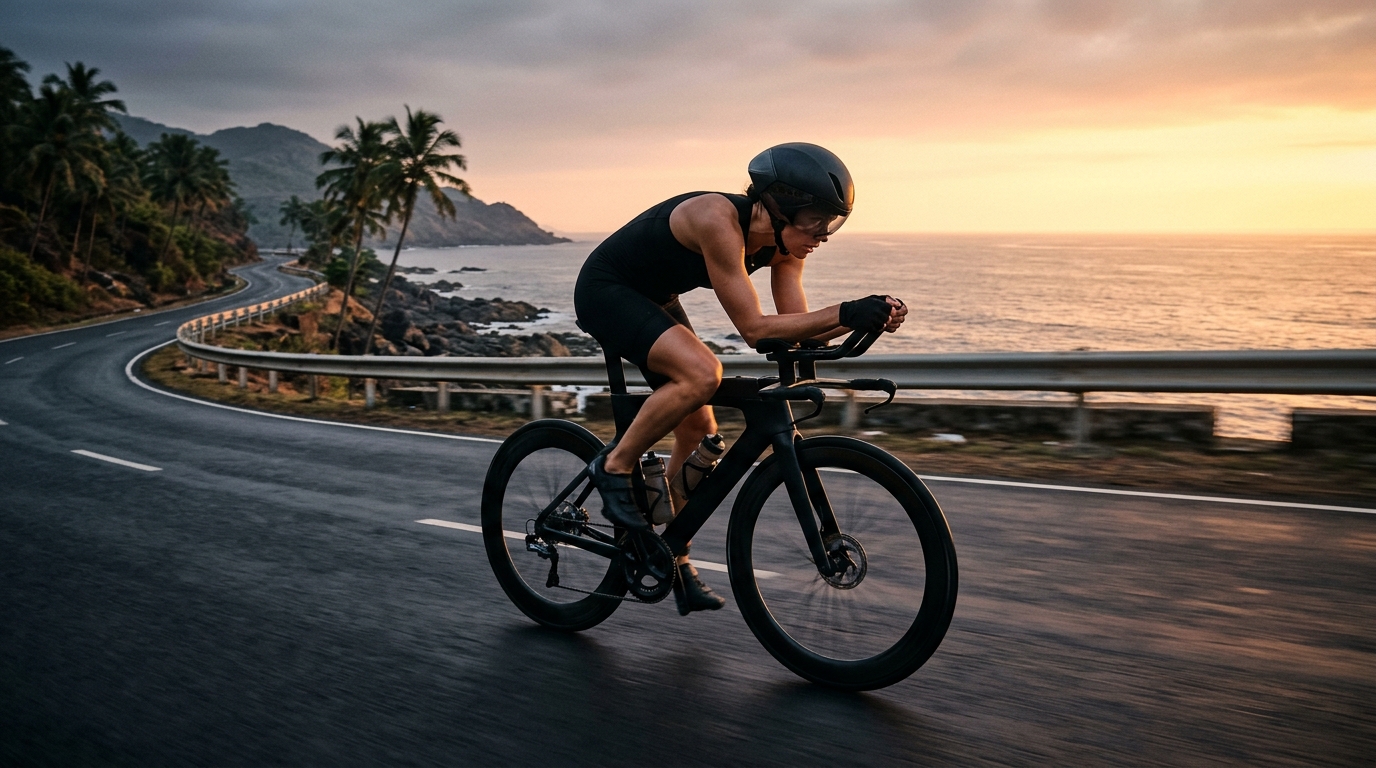
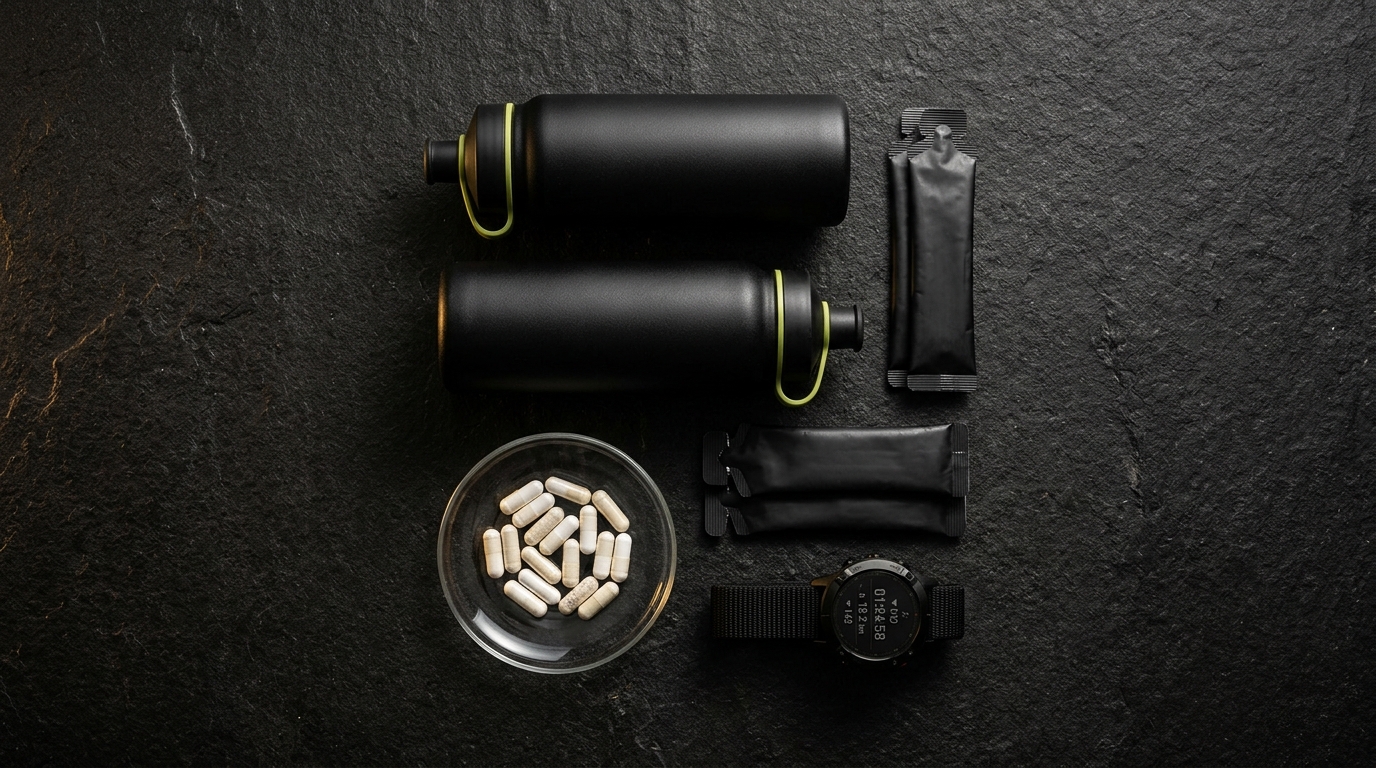
- 1Target 60–90 g of carbohydrates per hour on the bike (using dual-source glucose + fructose blends) when racing Half (113 km) or Full (226 km) distances.
- 2Indian humidity drives sweat rates up to 1.2–2.0 litres per hour; replace 750–1,000 ml/hr of fluid paired with 700–1,200 mg of sodium per litre.
- 3Your gut is trainable: practise race-day carb volumes during at least 6 long rides so your stomach absorbs fuel cleanly at race intensity.
- 4Front-load your calories on the bike where blood flow to the gut is steadier — trying to catch up on missed calories during the hot run leads to GI distress.
Why Indian Heat & Humidity Rewrite Standard Western Fuelling Charts
Most European and North American triathlon blogs assume 18°C race mornings. Across India's coastal and plateau venues, athletes regularly finish the cycling leg and start the run under 30°C–35°C temperatures with high dew points. In these conditions, your body diverts substantial blood volume toward the skin for evaporative cooling, leaving less blood available to digest heavy solids.
Consequently, liquid carbohydrates, isotonic hydrogels, and precisely dosed sodium become vastly superior to dense energy bars or dry nut snacks once the sun climbs past 8:30 AM.
WeRox Distance Fuelling & Hydration Targets (Hot/Humid Conditions)
| Distance | Pre-Race Breakfast (2.5–3h Prior) | Bike Intake / Hour | Run Intake / Hour | Sodium / Hour |
|---|---|---|---|---|
| Quarter (56.5 km) | 1.5–2 g carbs/kg (e.g., oats, banana, toast) | 45–60 g carbs · 650–800 ml | 1 gel at km 4 · water/electrolytes | 500–750 mg |
| Half (113 km) | 2–2.5 g carbs/kg + 500 ml electrolyte | 65–85 g carbs · 800–1,000 ml | 45–60 g carbs · ice + cups every aid | 750–1,000 mg |
| Full (226 km) | 2.5–3 g carbs/kg + 500–750 ml electrolyte | 75–90 g carbs · 850–1,100 ml | 50–65 g carbs · cola/gels/broth late | 900–1,200 mg |
The 60-Minute Home Sweat-Rate Test Every Athlete Should Run
Guessing your hydration needs leads to one of two race-enders: severe dehydration (which raises heart rate by 5–8 bpm per 1% body-mass lost) or hyponatremia (diluting blood sodium by drinking plain water without electrolytes).
- Step 1: Weigh yourself nude (or in dry shorts) immediately before a 60-minute tempo bike or run in conditions similar to your target race.
- Step 2: Track every millilitre you drink during the session (100 ml = 100 g) and avoid using the restroom if possible.
- Step 3: Towel dry completely and weigh yourself immediately afterward. Every 100 g of body weight lost equals 100 ml of unreplaced sweat.
- Formula: Sweat Rate (L/hr) = (Pre-weight kg − Post-weight kg) + Litres consumed. Aim to replace 70–85% of that hourly loss during racing.
Training Your Gut to Absorb 80+ Grams of Carbs Per Hour
Your small intestine uses two main transport pathways for sugar: SGLT1 (which maxes out around 60 g/hr of glucose/maltodextrin) and GLUT5 (which absorbs an additional 30+ g/hr of fructose). By combining glucose and fructose in a 2:1 or 1:0.8 ratio, modern endurance athletes fuel at 80–90 g/hr without stomach sloshing.
Start at 50 g/hr during your Week 4 long ride and bump up by 10 g/hr every two weeks. Set a repeating 20-minute alert on your bike computer: every beep means one gel or two large swallows of high-carb bottle mix chased immediately by plain water.
Practical, Low-Fibre Indian Race-Morning Breakfasts
Eat 2.5 to 3 hours before your swim start so gastric emptying finishes before you hit the water. Choose familiar, low-fibre, low-fat carbohydrates — avoid heavy spices, excess ghee, raw salads, or high-fibre millets on race morning.
- Option A: 3–4 plain steamed idlis with a light pinch of salt + 1 ripe banana + black coffee/tea.
- Option B: Quick-cooking white oats cooked in water with honey/jaggery, pinch of salt, and banana slices.
- Option C: 2–3 slices of white sourdough or toasted bread with peanut butter and jam + 500 ml electrolyte drink.
Frequently asked questions
Nutrition & Hydration FAQs.
Written by
12+ Half & Marathon FinishesDr. Meera Iyer
PhD Exercise Physiology · ISSN Certified Sports Nutritionist
Specialising in hot-and-humid endurance fuelling, Dr. Iyer designs race-day sweat-sodium and carbohydrate protocols tailored to Indian tropical race climates.
Endurance training, pacing, and nutrition guidance in the WeRox Journal is for educational purposes and does not replace personalised medical clearance. Consult a qualified sports physician before undertaking long-distance triathlon racing.