Key takeaways · Race brief
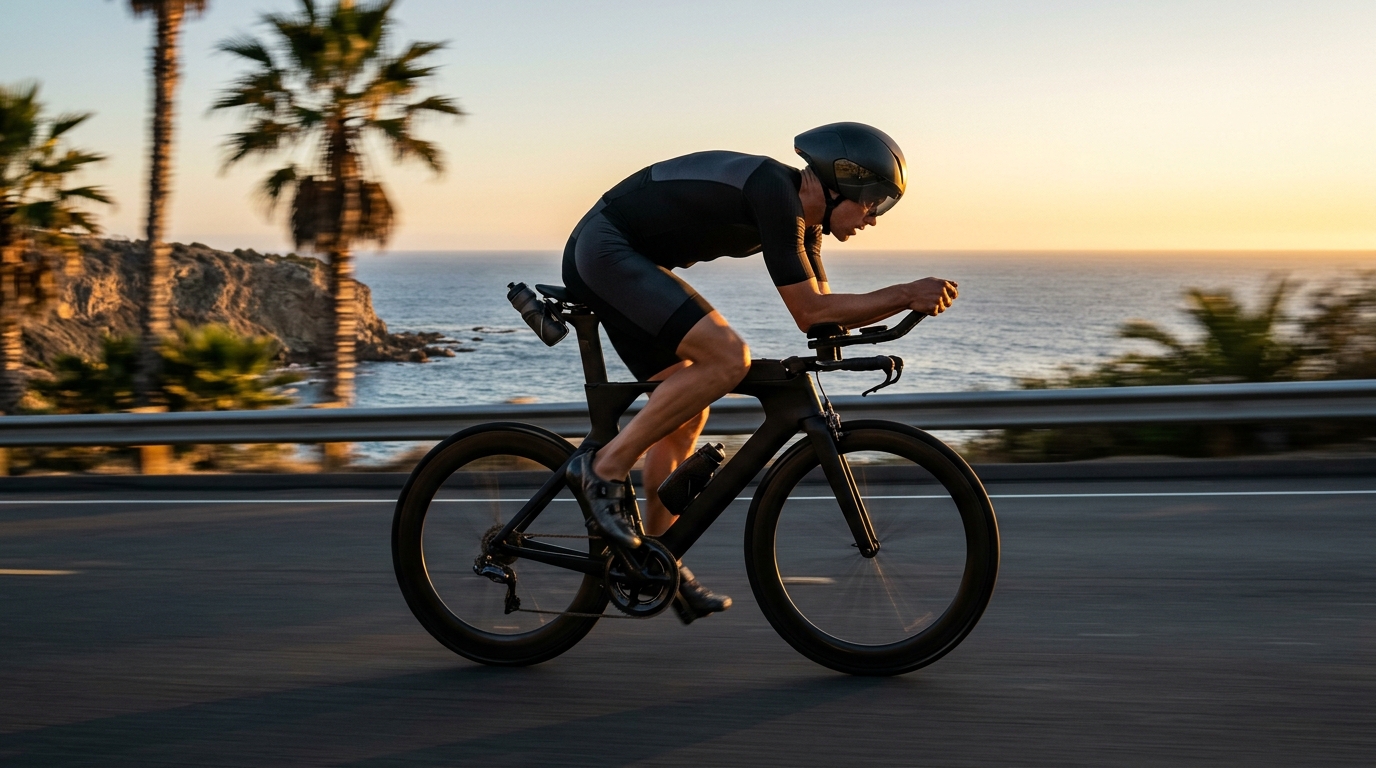
- 1The first 90 km of the 180 km bike leg MUST feel almost embarrassingly easy — cap Intensity Factor (IF) at 0.65–0.72 and Variability Index (VI) under 1.05.
- 2Never chase climbs out of the saddle at 110% FTP: every anaerobic match you burn on kilometre 45 shows up as a forced walk at kilometre 28 of the marathon.
- 3Target an open-marathon pace + 25–40 seconds per kilometre for the first 10 km of the run, adjusting strictly for Indian heat cardiac drift.
- 4Divide the 42.2 km run into four 10 km mental segments plus a 2.2 km victory lap — and walk briskly through aid stations for 15–20 seconds to absorb ice and fluids cleanly.
Why Full-Distance Pacing Is an Energy-Budgeting Equation
A Full 226 km triathlon — 3.8 km swim, 180 km cycle, and 42.2 km marathon — demands roughly 7,500 to 9,500 kilocalories over 10 to 16 continuous hours. Your body stores only about 1,800 to 2,200 kcal of muscle and liver glycogen. The entire game of 226 km pacing is keeping intensity low enough that fat oxidation supplies 50–65% of your energy while exogenous carbohydrates top up the rest.
Crossing into Zone 4 for just fifteen combined minutes on rolling highway hills spikes glycogen burn exponentially and triggers neuromuscular micro-damage that destroys running economy hours later.
WeRox Full (226 km) Discipline-by-Discipline Pacing Guardrails
| Discipline | Distance | Effort / RPE | Power / HR Guardrail | Primary Objective |
|---|---|---|---|---|
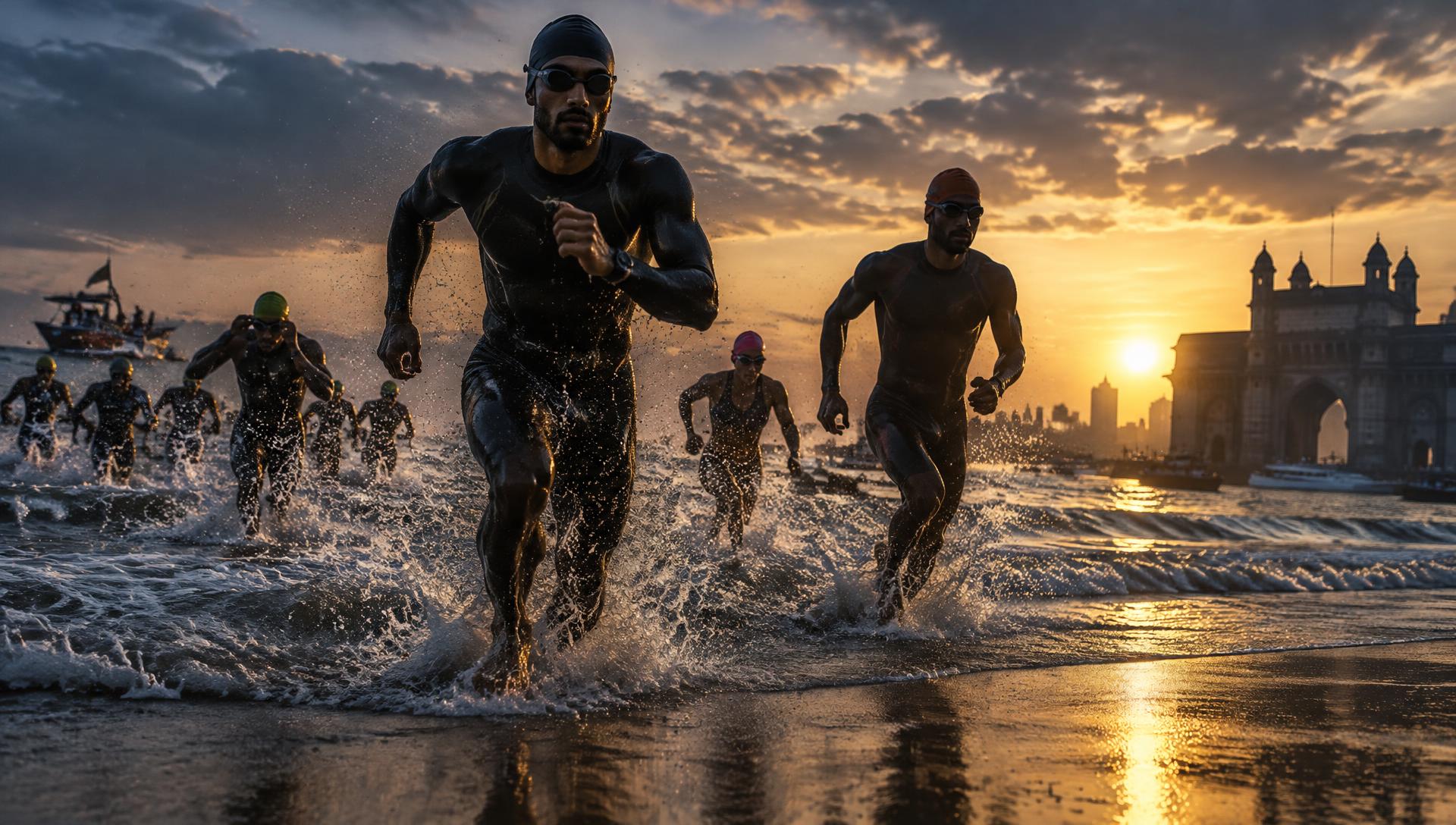
| Swim | 3.8 km | 5.5–6 / 10 | Low Zone 2 HR · smooth 2-beat kick | Exit water fresh with zero shoulder lactate |
| Bike (0–90 km) | First 90 km | 5 / 10 ('too easy') | 65–68% FTP · HR < 72% Max | Digest 80g carbs/hr & stay aero |
| Bike (90–180 km) | Second 90 km | 6–6.5 / 10 | 68–73% FTP · VI < 1.05 | Hold steady wattage; zero surges on hills |
| Run (0–21 km) | First half | 6 / 10 | Zone 2 HR · walk aid stations 15s | Patience — bank rhythm and cool core |
| Run (21–42.2 km) | Second half | 7.5–9 / 10 | Allow HR drift to Zone 3 late | Empty the tank from km 32 to finish arch |
Mastering the 180 km Bike: Variability Index Matters More Than Average Speed
Two athletes can both average 175 watts over 180 kilometres and step off the bike in completely different worlds. Athlete A rides smoothly between 165 and 185 watts (Variability Index 1.03) and runs a strong 3:55 marathon. Athlete B surges to 260 watts on every overpass and coasts downhills (Variability Index 1.13) and blows up at kilometre 18 of the run.
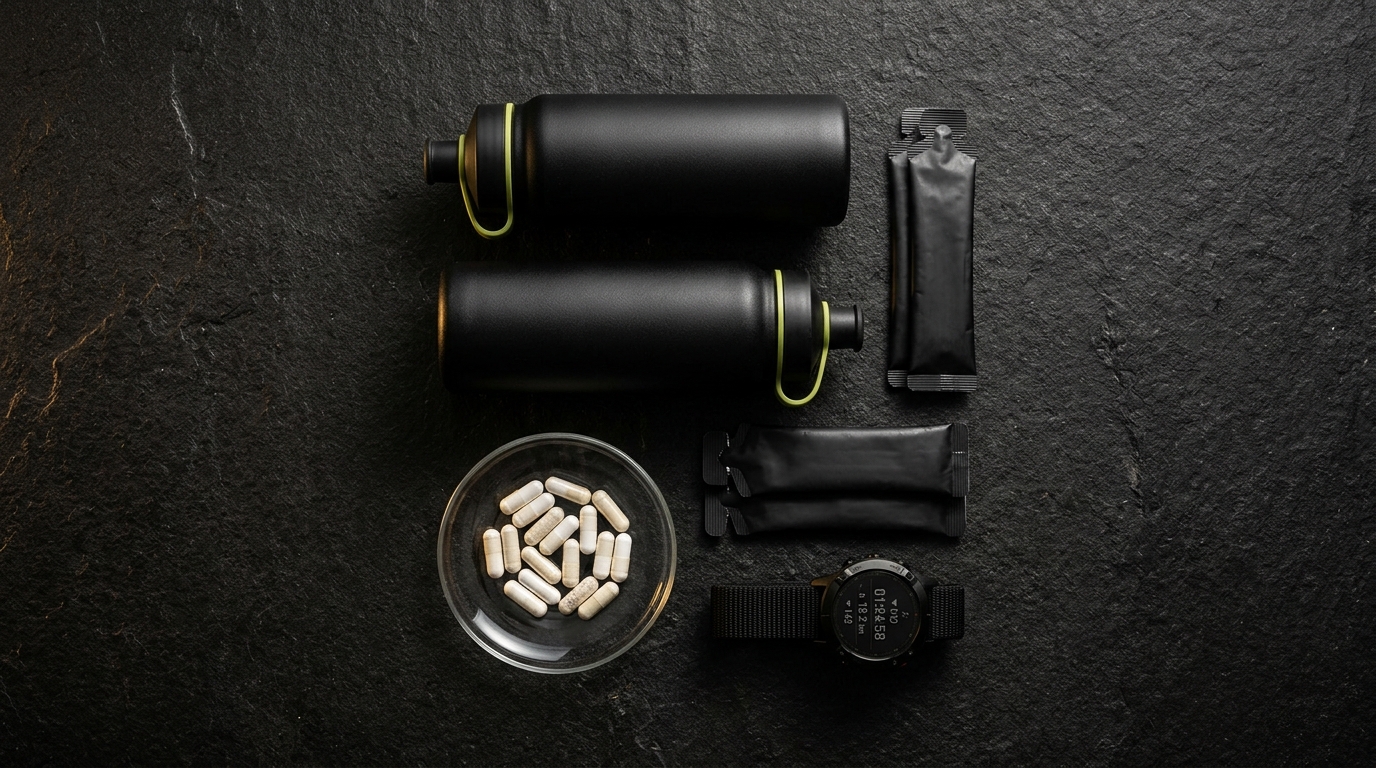
Set your bike computer main screen to display ONLY four numbers: 3-second Power (or Heart Rate), Normalized Power (NP), Cadence (target 82–88 RPM), and Elapsed Time for nutrition alerts. Hide instantaneous speed — headwinds and tail winds make speed a terrible pacing metric.
Running a Disciplined 42.2 km Marathon Off the Bike
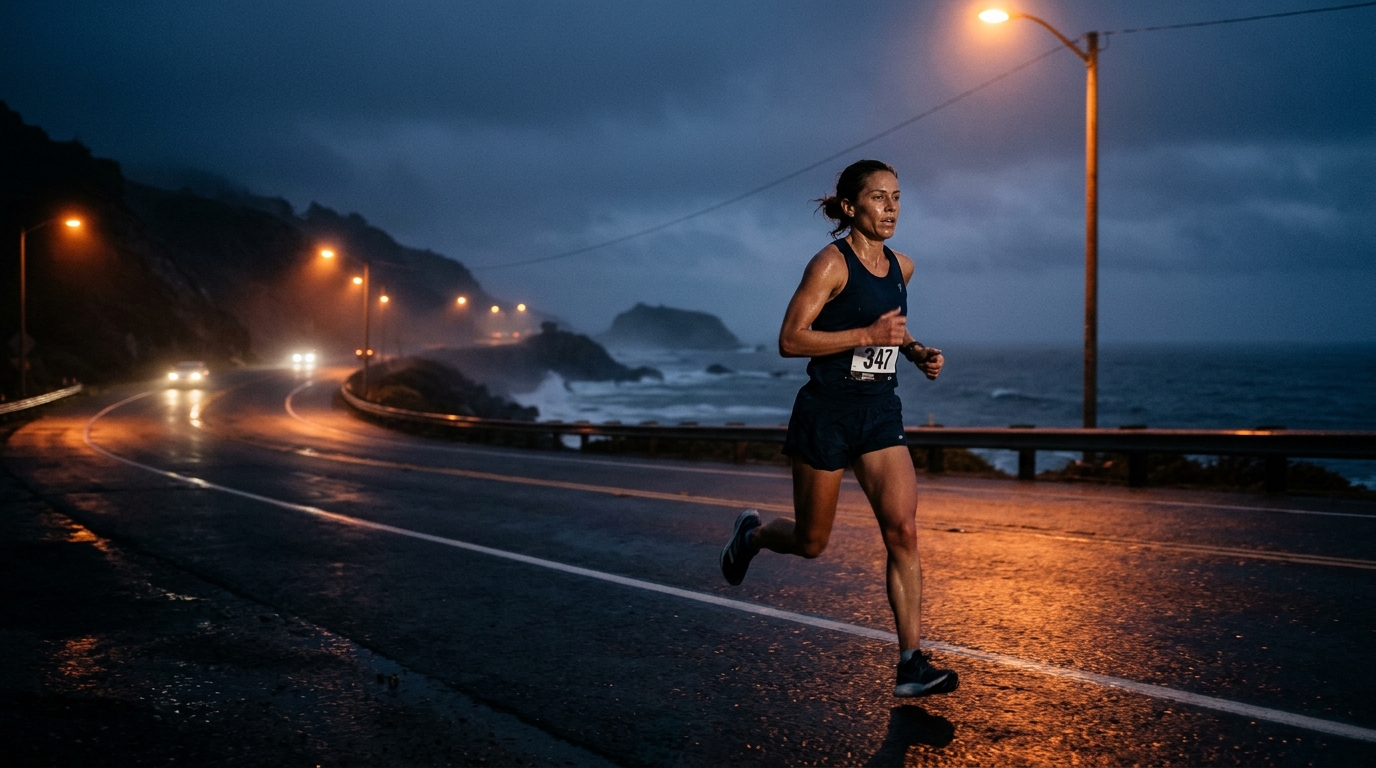
The most deceptive moment in endurance sports occurs during the first 3 kilometres out of T2. Because your legs have spun at 32 km/h for five-plus hours, jogging at 5:30/km feels like slow-motion walking. Athletes routinely run kilometres 1 to 5 thirty seconds per kilometre too fast — then pay three minutes per kilometre back after kilometre 25.
Adopt the 'Aid-Station Run-Walk' strategy even if you are chasing a sub-11-hour finish: run smoothly between every aid station, then walk deliberately for 15–20 seconds while drinking two full cups (one electrolyte, one water), grabbing ice for your cap and trisuit, and resetting posture. That micro-walk costs 4 seconds per kilometre while dropping heart rate by 6–8 bpm and preventing late-race collapse.
Navigating Kilometres 24 to 34: The Inevitable Low Patch
Every Full-distance finisher experiences a low patch somewhere between hours 8 and 11 where energy dips and negative self-talk gets loud. Knowing in advance that this dip is temporary — usually a brief blood-sugar trough or rising core temperature — strips away its power. Take 100 ml of flat cola or a caffeinated gel, put cold ice on the back of your neck, shorten your stride to quick high-cadence steps, and commit strictly to reaching the next kilometre marker. Within 12 minutes, your energy rebounds.
Frequently asked questions
Race Strategy FAQs.
Written by
28+ TriathlonsRohan Deshmukh
IRONMAN U Certified Coach · 7× Full-Distance Finisher
Rohan has coached over 350 Indian age-group triathletes from their first 56.5 km Quarter to sub-10-hour Full 226 km finishes across Goa, Bengaluru, and coastal Maharashtra.
Endurance training, pacing, and nutrition guidance in the WeRox Journal is for educational purposes and does not replace personalised medical clearance. Consult a qualified sports physician before undertaking long-distance triathlon racing.