Key takeaways · Race brief
- 1Start with the WeRox Quarter (950 m swim, 45 km bike, 10.5 km run) if you are new to open-water swimming or multi-sport pacing.
- 2Consistency beats hero workouts: 6 to 8 structured hours per week over 12 weeks is enough to finish strong and smiling.
- 3An entry-level road bike or well-tuned hybrid with road tyres is completely legal and race-ready for your first triathlon.
- 4Practise at least four open-water swims and six bike-to-run brick sessions before race week to eliminate race-day surprises.
Choosing the Right First Triathlon Distance
The single most common mistake Indian runners and cyclists make when entering triathlon is jumping straight into a 226 km Full distance out of sheer ambition. While finishing a Full is life-changing, respecting the progression protects your joints, builds genuine open-water confidence, and makes race day genuinely enjoyable.
Across the WeRox India Series, every event is built around three standardised championship benchmarks. Understanding how each distance stresses your aerobic engine helps you pick a start line that stretches you without breaking your work-life schedule.
WeRox Distance Benchmarks & Recommended Athlete Readiness
| WeRox Distance | Swim | Cycle | Run | Typical Prep | Best For |
|---|---|---|---|---|---|
| WeRox Quarter (56.5 km) | 0.95 km | 45 km | 10.5 km | 10–12 weeks | First-time triathletes & 10K runners |
| WeRox Half (113 km) | 1.9 km | 90 km | 21.1 km | 16–20 weeks | Half-marathoners & club cyclists |
| WeRox Full (226 km) | 3.8 km | 180 km | 42.2 km | 24–32 weeks | Experienced Half finishers |
How to Structure a Realistic 12-Week Training Block
Most Indian triathletes balance full-time corporate or entrepreneurial schedules, monsoons, and early-morning city traffic. A sustainable beginner plan prioritises frequency over massive single-day volume. Aim for two swims, two rides, two runs, and one short mobility or strength session per week.
Keep roughly 80% of your weekly training in Zone 2 — an aerobic conversational effort where you can speak full sentences without gasping. Going too hard every Tuesday and Thursday creates chronic fatigue without building the mitochondrial density you need for hours of steady endurance.
Weeks 1–4: Technique & Habit Formation
Dedicate your first month to swimming bilaterally, adjusting bike saddle height so your knees track pain-free, and establishing 5:30 AM training rhythms. Do not chase pace or average speed yet.
- Swim: 2 × 40-minute pool sessions focused on exhaling underwater and smooth catch mechanics.
- Bike: 1 × 45-minute weekday cadence ride (85–90 RPM) + 1 × 60-minute weekend endurance ride.
- Run: 2 × 30–35-minute easy Zone 2 runs on forgiving surfaces.
Weeks 5–9: Aerobic Build & Brick Integration
Extend your weekend long ride up to 45–55 km and pair it with a 15-to-20-minute transition run immediately afterwards. These short 'brick' sessions wire your neuromuscular system to handle heavy legs off the bike.
- Introduce open-water sighting drills in the pool (every 6–8 strokes) before heading to a supervised lake or sea clinic.
- Practise drinking 500–750 ml of electrolyte fluid per hour on the bike so your gut adapts before race day.
Weeks 10–12: Race Simulation & Taper
Complete one race-pace rehearsal 14 days before your event (e.g., 800 m swim + 35 km bike + 6 km run), then cut training volume by 40% during race week while keeping brief 20-minute neuromuscular shakeouts.
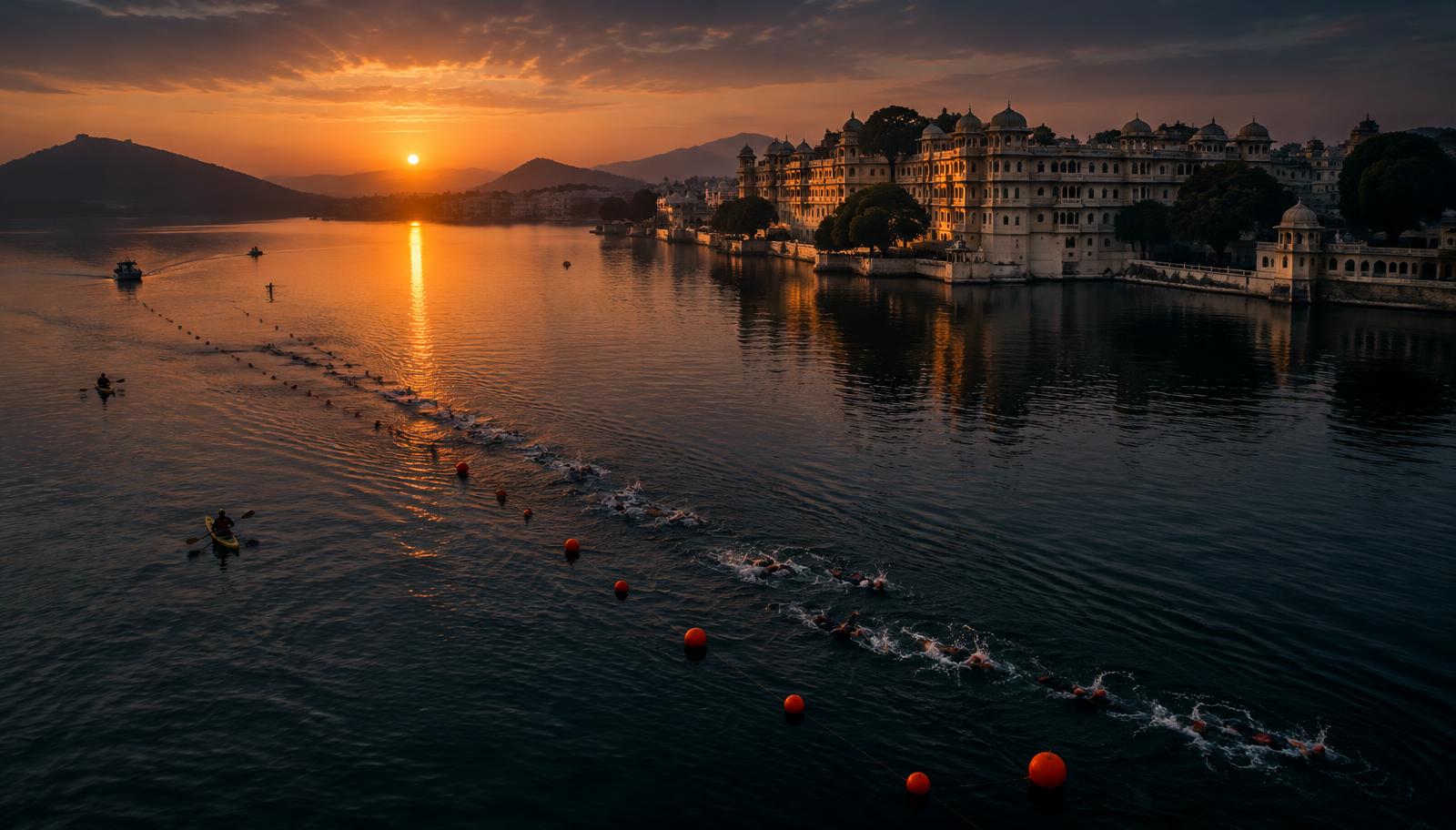
Essential Triathlon Gear: What You Actually Need
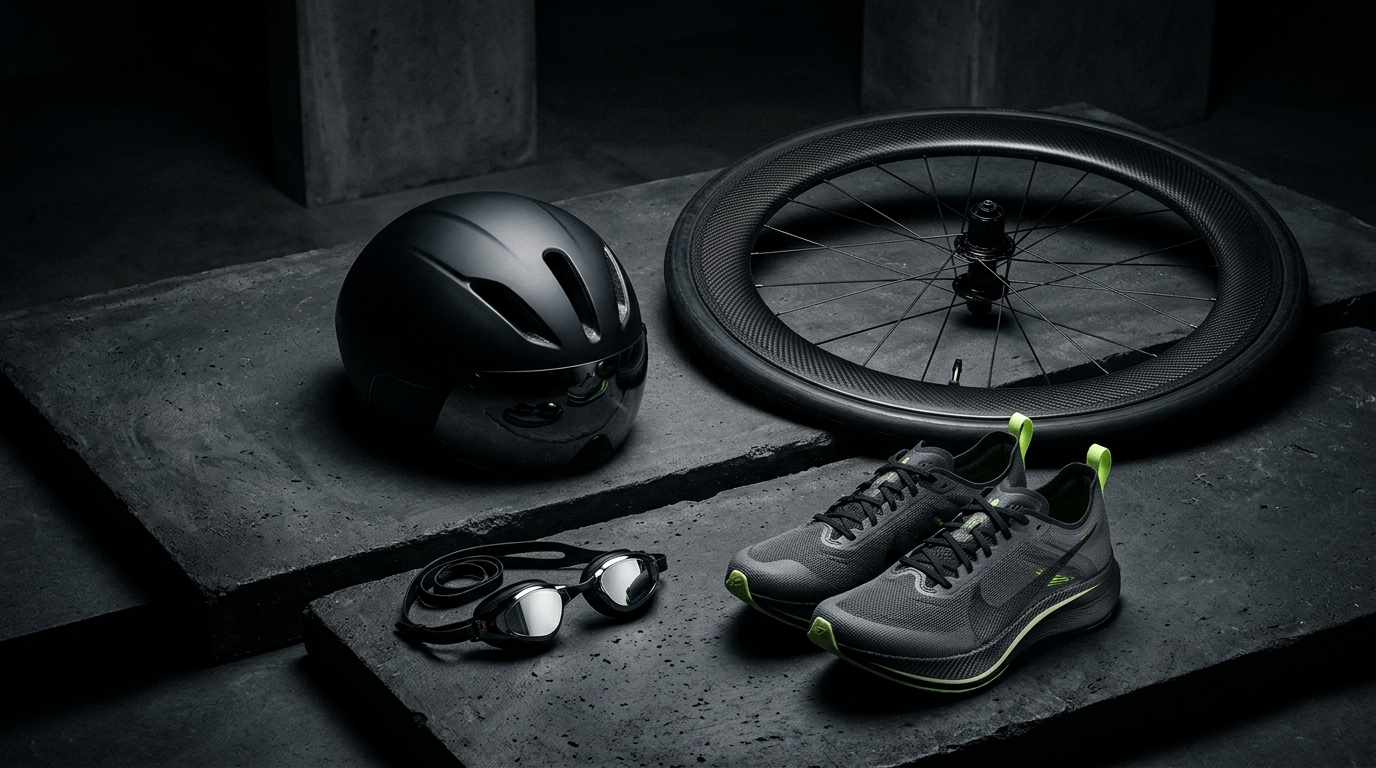
Triathlon marketing loves convincing beginners that aerodynamic wheels and carbon frames are mandatory. On your first start line, comfort, mechanical reliability, and proper fit matter exponentially more than saving 120 grams.
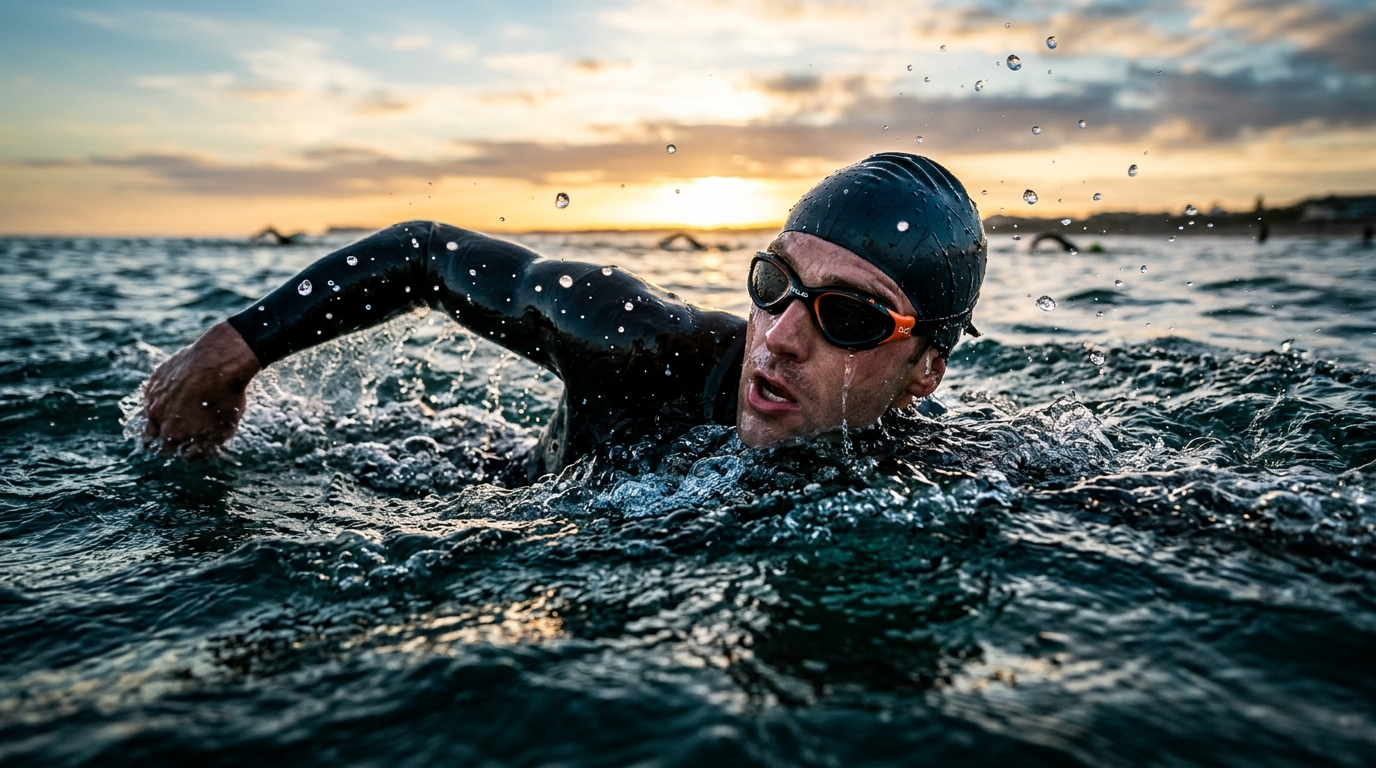
- Swim: Anti-fog tinted open-water goggles (amber or smoked lenses for sunrise glare), silicone swim cap (race-provided on race day), and a breathable trisuit you can wear through all three legs.
- Bike: Any mechanically sound road bike (or flat-bar fitness hybrid) with working dual brakes, bar-end plugs, a certified helmet, two bottle cages, and a saddle bag with a spare tube and mini-pump.
- Run: Cushioned daily trainers you have logged at least 50 km in, elastic speed laces to save 30 seconds in T2, a lightweight running cap, and a race belt for your bib number.
Walking Through Your First Race Morning Step by Step
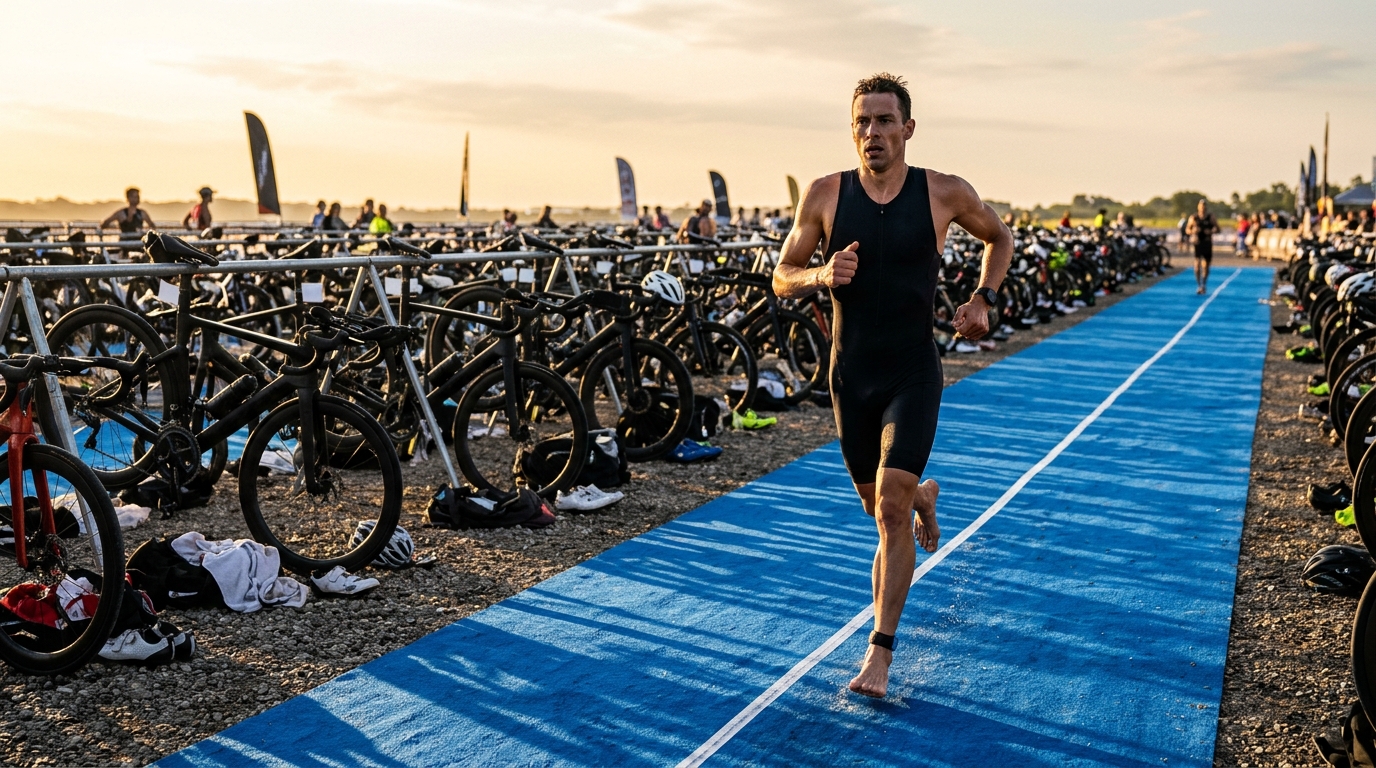
Knowing the exact choreography of race morning turns pre-race butterflies into calm execution. Arrive at transition 75 to 90 minutes before the start horn so you have unhurried time to pump tyres to exact PSI, rack your bike cleanly by the saddle nose, and walk both the Swim-In → Bike-Out and Bike-In → Run-Out lanes.
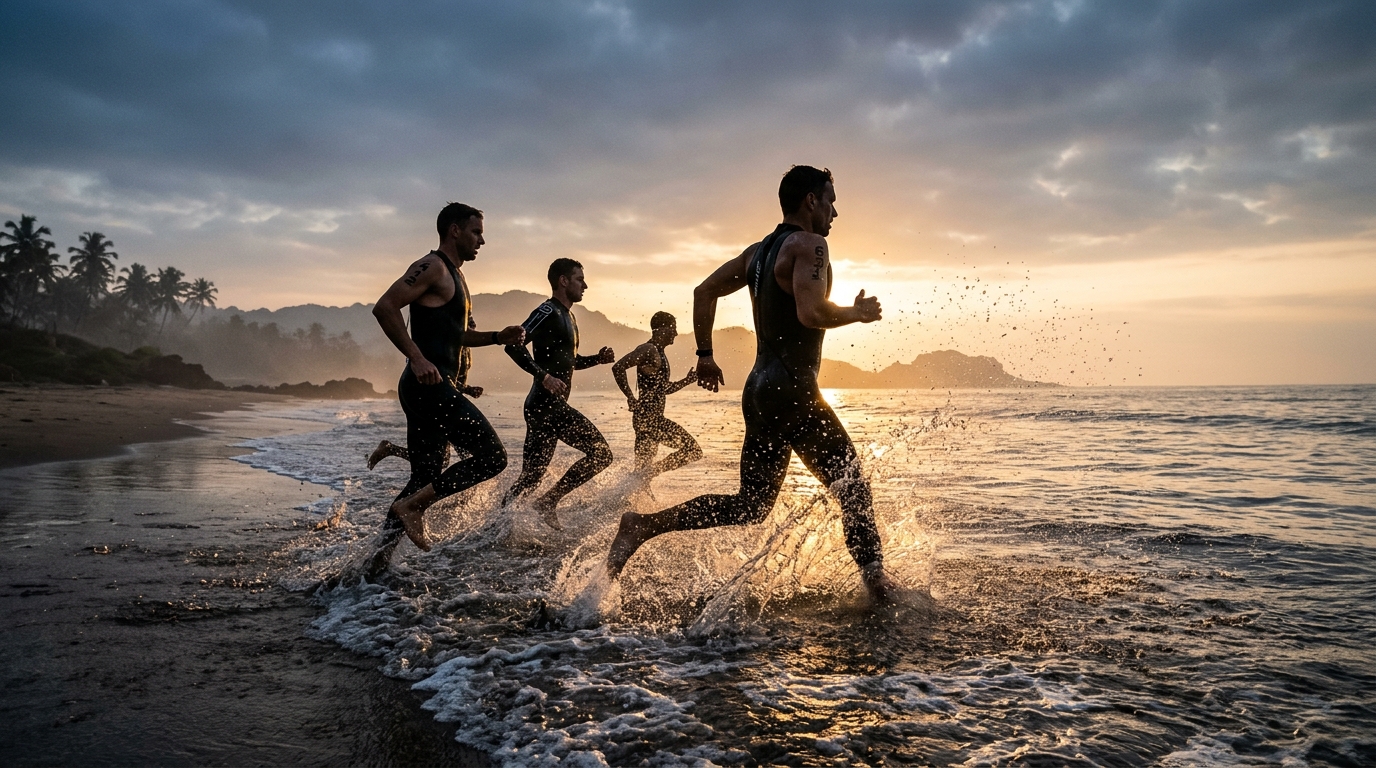
Start the swim toward the back or outer edge of your wave to avoid congested washing-machine contact. Settle into long, rhythmic strokes after the first 150 metres. On the bike, spend the opening 10 minutes spinning an easy gear while sipping water and letting your heart rate drop from swim elevation. Finally, hold back during the first 2 km of the run — your adrenaline will lie to you, and pacing patiently guarantees you overtake tiring athletes all the way to the WeRox finish arch.
Frequently asked questions
Training Plans FAQs.
Written by
28+ TriathlonsRohan Deshmukh
IRONMAN U Certified Coach · 7× Full-Distance Finisher
Rohan has coached over 350 Indian age-group triathletes from their first 56.5 km Quarter to sub-10-hour Full 226 km finishes across Goa, Bengaluru, and coastal Maharashtra.
Endurance training, pacing, and nutrition guidance in the WeRox Journal is for educational purposes and does not replace personalised medical clearance. Consult a qualified sports physician before undertaking long-distance triathlon racing.